How to Save Wet Carpet After a Clean Water Spill
Yes, a wet carpet can often be saved after clean water damage, but speed is critical. The difference between a carpet that dries back to normal and one that develops mold, mildew, or a musty odor is how quickly and thoroughly you remove the moisture and dry the materials. Clean water damage - from a burst pipe, a leaking appliance, or even a heavy rain intrusion - does not introduce the same contaminants as sewage or floodwater, so the carpet and pad are more likely to be salvageable if you act fast. The key is to start the drying process within the first 24 to 48 hours.
Assess the situation right away
Before you do anything, determine the source of the water. If it is clean water from a supply line, a water heater, or rainwater that did not come into contact with soil or waste, the carpet is a strong candidate for saving. If the water came from a toilet overflow, a sewer backup, or standing floodwater outside, the carpet should be discarded - those sources carry bacteria and pathogens that cannot be fully removed from carpet fibers and padding. For clean water damage, you still need to act fast. The longer moisture sits in the carpet and the pad beneath it, the more likely mold spores will begin to grow. Mold can start developing within 24 to 48 hours in warm, damp conditions. Carpet Mold Removal Services Pros
Remove standing water first
Start by extracting as much water as possible. A wet-dry vacuum is the most effective tool for this job. Go over the carpet slowly, overlapping passes to pull water from the fibers and the pad underneath. If the water is deep, you may need to remove it in stages, letting the vacuum catch up. Do not push the water around with a mop or towel - that only spreads it deeper into the carpet. If you do not own a wet-dry vacuum, you can rent one from a tool rental shop or a home improvement store. Professional-grade units pull more water faster, which is why many homeowners turn to water extraction services for large areas or thick carpet padding. These services use powerful truck-mounted or portable extractors that can pull water from deep within the carpet and pad, drastically cutting drying time and reducing the chance of mold growth.
Dry the carpet and pad thoroughly
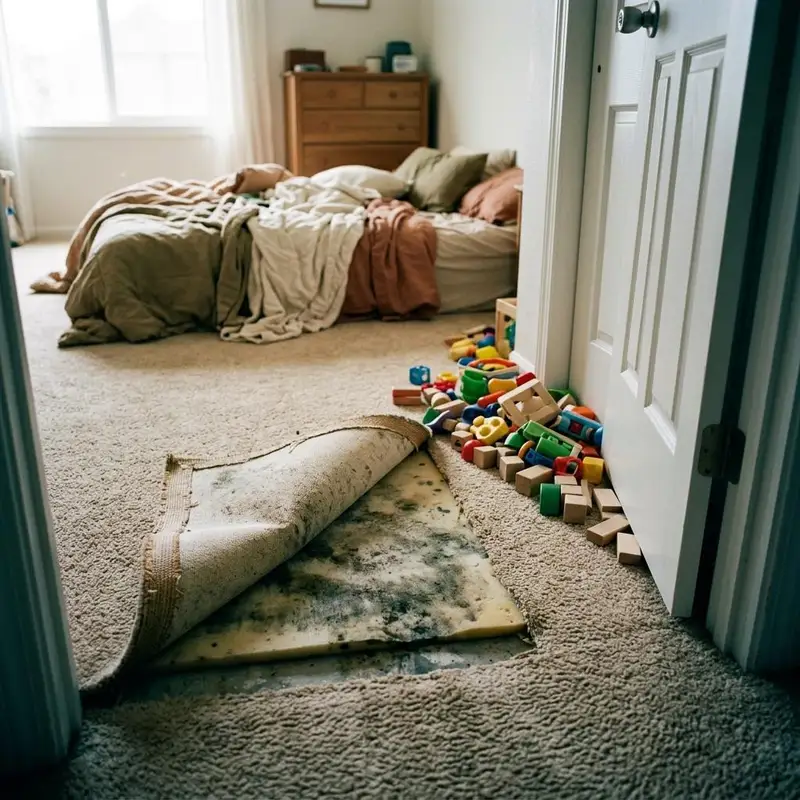
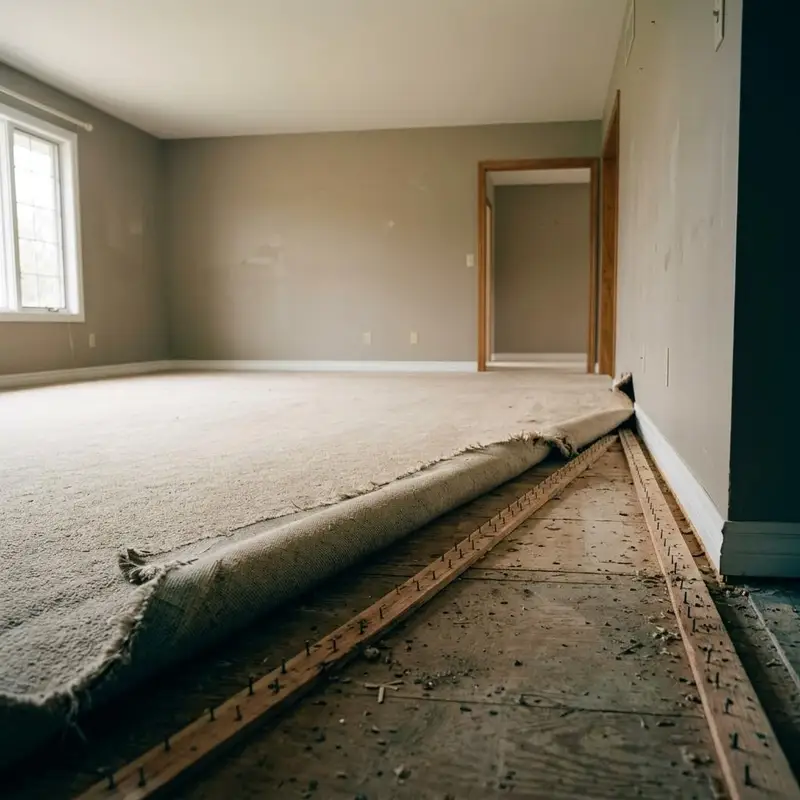
Once you have removed the standing water, the real work begins: drying the materials. Use fans to create continuous airflow across the carpet. Aim box fans or floor fans at the wet area, or position them to draw air across the surface. Open windows if the outdoor air is dry, and use a dehumidifier to pull moisture out of the room. If the humidity outside is high, a dehumidifier plus air conditioning will help dry the air faster. Lift the carpet edges if possible to allow air to circulate underneath. If the carpet is wall-to-wall and the padding is soaked, you may need to pull the carpet back from the tack strips at the edges to let the pad dry. In some cases, the pad may need to be replaced even if the carpet itself is salvageable. Padding acts like a sponge and can hold moisture against the carpet backing, creating a breeding ground for mold even after the carpet surface feels dry.
Watch for signs of mold or mildew
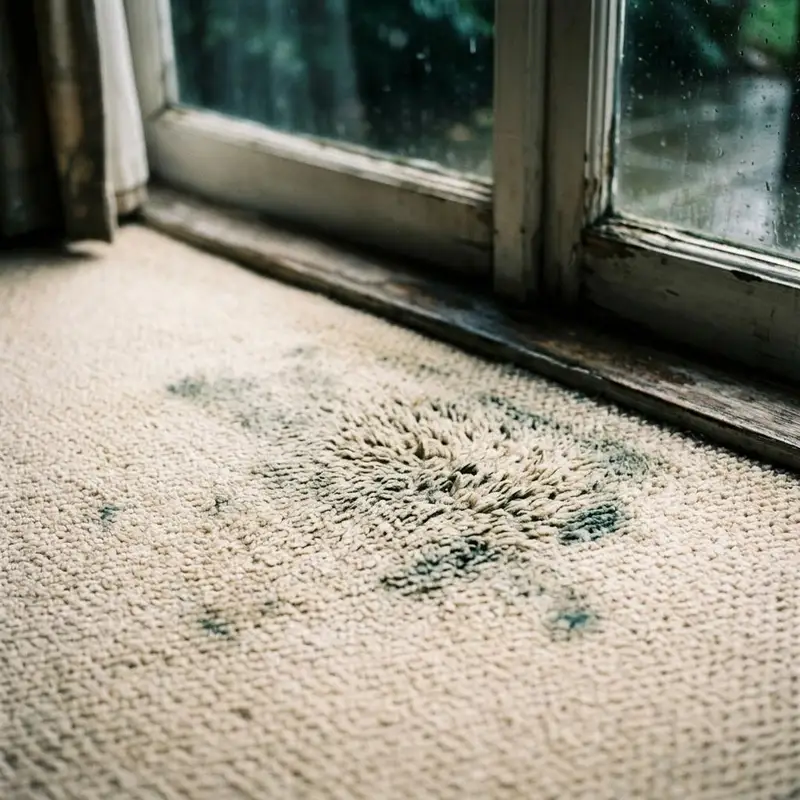
Keep an eye on the carpet for the first few days after drying. A musty odor is often the first sign that mold is starting to grow. If you notice a smell, treat the area with a vinegar solution or a commercial antimicrobial cleaner designed for carpets. Test any cleaner on a hidden area first to make sure it does not discolor the fibers. If mold has already started to appear - as dark spots or a slimy film - you may need to call in a restoration specialist. Carpet Mold Removal Services Pros can evaluate the carpet, the pad, and the subfloor to determine what can be saved and what needs to go. They have specialized equipment to contain spores, treat the area, and dry the structure in a way that prevents the mold from returning.
When to call in professionals
There are situations where DIY drying is not enough. If the water damage covers a large area - say, an entire basement or a big living room - the drying time and the risk of hidden moisture make it worth hiring water extraction services. Professionals use moisture meters to check the carpet, pad, and subfloor for trapped water. They also have industrial air movers and desiccant dehumidifiers that can dry a room in a fraction of the time household equipment can. If the carpet is glued down or installed over a concrete slab, water can wick up the carpet backing and remain trapped for weeks, leading to mold and delamination. In those cases, professional drying and treatment may be the only way to save the carpet. Also, if the water damage happened in a room with poor ventilation, like a closet or a basement corner, mold can start growing before you even realize the carpet is still damp.
The role of the padding and subfloor
Even if the carpet itself dries well, the padding underneath may stay wet. Carpet padding is typically made from foam or rubber, and it absorbs water readily. If the padding stays wet, it will keep the carpet backing damp and cause the carpet to break down over time. Replace the padding if it is soaked or if it has been wet for more than 48 hours. The subfloor - whether plywood or concrete - must also be dry. If the subfloor stays damp, moisture will wick up into the new padding and carpet, causing the same problems all over again. Use a moisture meter to check the subfloor before putting down new padding. If the subfloor is still damp, run fans and a dehumidifier until it tests dry. In some cases, the subfloor may need to be treated with an antimicrobial primer before new carpet is laid.
Can you save the carpet yourself?
For small, contained spills or localized water damage from a clean source, DIY drying can work. The process is straightforward: extract the water, create airflow, dehumidify, and monitor for odor. But there is a trade-off. Without professional equipment, you are relying on time and luck. If the drying takes longer than expected, or if the carpet stays damp in a hidden area, you can end up with a mold problem that costs more to fix than the original water damage. That is where a professional assessment becomes valuable. Carpet Mold Removal Services Pros can do a thorough check for moisture and mold, and they can treat the area to prevent future growth. They can also advise on whether the carpet and pad can be saved or whether replacement is the safer option for your indoor air quality.
Final thoughts on saving wet carpet
Clean water damage does not automatically mean the carpet is ruined. With fast action, proper extraction, and thorough drying, many carpets come out fine. The decision to save or replace depends on the size of the area, the type of padding, the speed of your response, and whether any mold develops. If you can dry the carpet completely within two days and there is no lingering odor, you have likely saved it. If you have any doubt about hidden moisture or mold, it is worth bringing in a specialist to check. The cost of a consultation is small compared to the health risks and replacement costs of a mold-damaged carpet.